The impact of AI-Powered Insurance sector is huge, as it is experiencing a severe digital transformation. The conventional insurance procedures were usually cumbersome and bureaucracy laden and relied on manual verification procedure and this acted as a delaying factor in claims processing and fraud detection hence time and cost consuming.
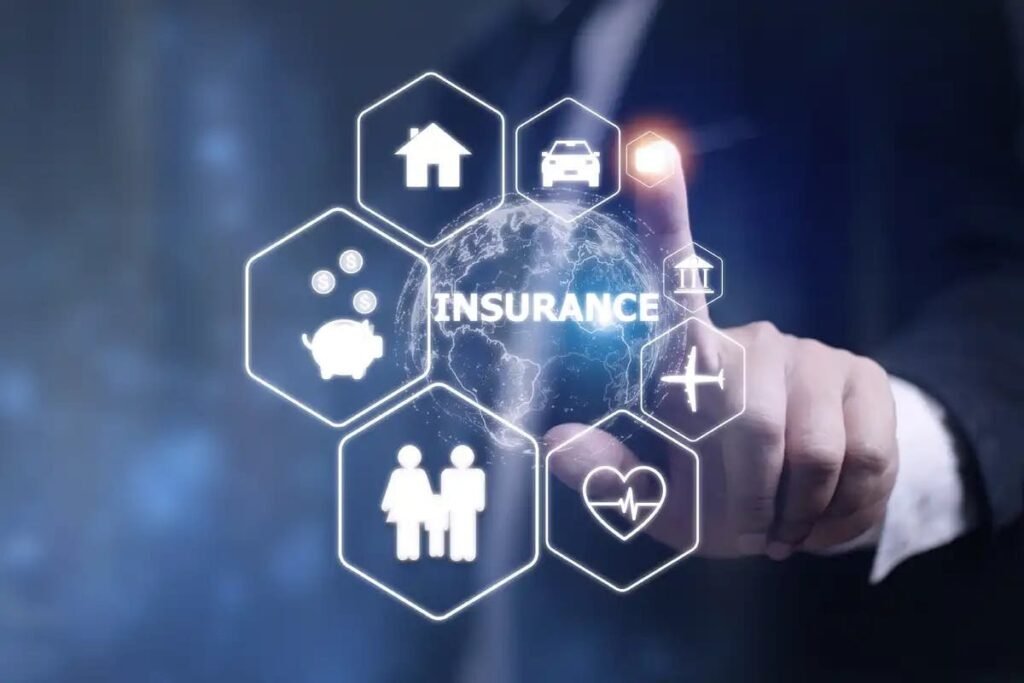
This fact is transforming today with AI-driven systems that add automation, speed, and intelligence to all insurance lifecycle processes. Since it can process instant claim approvals, or real-time fraud analysis, AI-Powered Insurance is transforming the way insurers do things and how consumers receive insurance services.
This is not a simple transformation, but changing the whole insurance ecosystem, and not only with the implementation of new technology. The AI-Powered Insurance will help the insurers to shift towards the proactive and predictive systems, which anticipate the risks, prevent losses, and provide the services in a faster and more accurate manner. With the digital expectations increasing in 2026 and further on, AI-powered insurance is no longer an innovation, but a necessity.
The History of Claims Processing in the Age of AI-Powered Insurance
One of the most tedious and slow areas of the insurance industry has been claims processing. The customers were used to waiting long queues, filling in similar documents, and manual inspection that slowed down settlements. This experience has been totally transformed by AI, which will automate much of the claims process.
It is now possible to feed AI systems with data collected and analyzed in real time on various sources including images, videos, medical records, sensor data, and customer reports. As an illustration, in the motor insurance sector, AI-Powered Insurance can be used to determine the damage of a vehicle by taking images and uploading them, which can be reviewed in real time using AI and repair costs are provided. AI can analyze medical records and billing data to confirm claims in health insurance within a short time and with high accuracy.
How AI helps in Real-Time Claims Verification
The ability to check claims in real time is one of the largest benefits of AI in the insurance industry. More conventional verification methods included manual checks, direct inspection and third-party verification, which slackened the whole procedure. AI eliminates these actions by providing smart algorithms, data comparison, and information validation in real-time.
Machine learning systems are trained using millions of past claims, which allows them to detect valid patterns of claims and raise suspicious activity. Claim data can be matched with the policy information, customer history, and external databases to verify that an AI system is accurate. This will make sure that any claims that are genuine are processed in time whilst those that are suspicious are diverted to further scrutiny.
The real-time verification besides accelerating settlements, also leads to a better customer experience. When brand loyalty and long-term relationships with insurers, policyholders are more likely to be happy when they see their dealings resolved as quickly as possible and updated as soon as possible.
Artificial Intelligence Fraud Detection: A Game changer
Insurance fraud has never been a minor problem to the industry as it has resulted in billions of losses annually. The conventional fraud detection approaches were based on rule-based system and manual research, and were usually slow and ineffective in detecting advanced fraud schemes.
Fraud detection systems AI-Powered Insurance -based detect and process vast amounts of data to detect the hidden patterns and anomalies that may not be noticed by humans. These systems are constantly learning on new data and thus they become more accurate with time. Through analysis of customer behavior, transaction history, and claim patterns, AI will be able to identify suspicious transactions at an early stage.
This is a proactive measure which helps the insurers to avert fraud before it goes out of hand. Rather than responding to fraud once losses have been incurred, AI allows tracking down of the fraud early on, lowering the financial risk involved as well as saving both insurance companies and honest policyholders the higher premiums due to fraudulent claims.
Risk Assessment and Predictive Analytics
AI-Powered Insurance does not pay attention to claims and fraud only; it is also essential in predictive analytics and risk assessment. AI models can forecast future risks with a high degree of precision by using historical data and real-time data. This assists the insurers to write improved policies, charge reasonable premiums and minimize any losses which occur unexpectedly.
Predictive analytics enable the insurance firms to know how customers will behave, the risks posed by their lifestyle, and surroundings. As an example, AI can evaluate driving behavior on auto insurance, medical insurance, and climate risks on property insurance. This form of data-driven practice facilitates an individualization of insurance schemes, not based on generalized assumptions.
This leads to fairer and more transparent pricing to the customers, and better financial stability and risk management by the insurers.
Using Smart Systems to optimize Customer Experience
Customer experience is the vital part of AI-Powered Insurance . AI-based smart chatbots, virtual assistants, and customer support systems have 24/7, real-time, and personalized services. Customers will be given a chance to claim and check the details of the policy and get the help without waiting in long lines and going through elaborate procedures.
With the help of artificial intelligence, customer preferences and behavior are analyzed to provide personalized services and suggestions. This makes it more interactive and accessible resulting in insurance being less complex and more approachable.
When customers are made to feel that their claims are being done more quickly, that their processes are transparent, and that their help is quick and available, the clients feel better about the insurance companies. This is very essential in the long-term customer retention and brand development.
The Future of AI in Insurance
The insurance future is closely linked to the innovation of AI. With the further development of AI-Powered Insurance technologies, more advanced automation, prediction, and personalization tools will be provided to insurers. The systems of the future are likely to combine AI with blockchain, IoT, and big data services to form entirely digital insurance systems.
The speed of claims processing will be nearly immediate, fraud detection will be more accurate and customer experience will be extremely customized. AI will also permit preventative insurance models which are not only compensation-based after the loss, but preventive of the risk.

This change will redefine the role that insurance plays in the society and will no longer need it as a receptive safety net, but rather, it will become a risk management partner.
Conclusion
Insurance is a revolution of AI-Powered Insurance, which presents quicker claims, more intelligent fraud detection, and streamlined operations. AI is changing the way insurers are run and the experience of customers taking insurance services, through the use of automation, predictive analytics, and intelligent systems. It causes fewer delays, increases accuracy, reduces costs and creates a sense of trust between the insurers and the policyholders.
The use of AI will form the basis of the contemporary insurance systems as the industry keeps adopting digital transformation. Responsible and strategic implementation of AI-Powered Insurance in companies will create a future of insurance, where the service becomes more fast, safe, and reliable. It is not an innovation only, but rather the future of the insurance industry in the world where speed, trust, and efficiency were never so crucial as today.