Learning the Purpose of an Emergency Fund
One of the most significant bases of the personal financial stability is an emergency fund. Money saved away to deal with the unforeseen life occurrences that may occur so that you are not sinking into debts or financial problems. Emergencies may manifest themselves in various ways like unexpected medical bills, loss of employment, emergency house repairs and personal business stifling or emergency family needs that may demand an urgent influx of cash.
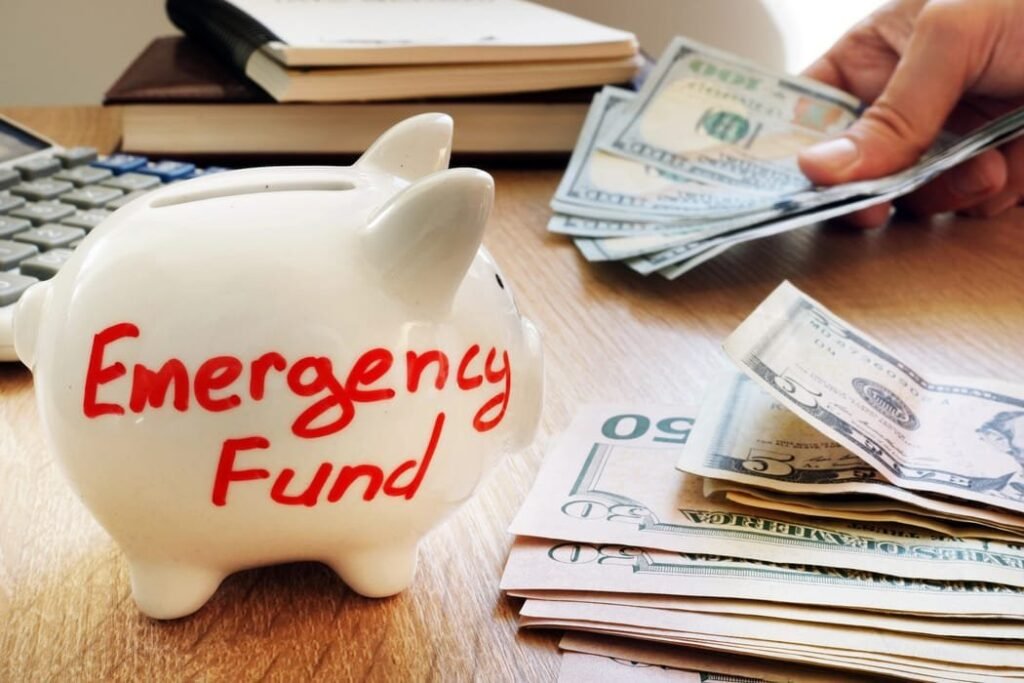
Having no financial safety cushion, individuals are likely to turn to loans, credit cards, or selling their assets at a poor time, which would result in a long-term financial strain. The emergency fund serves as a buffer between your normal life and the financial disaster so that you have some peace of mind and can react to the problematic situations in a calm and sensible manner.
The importance of Emergency Fund Planning
Lots of individuals do not pay enough attention to planning on emergency fund, until a crisis will occur. When your revenue is cut off or costs suddenly rise, it is not just a financial but also emotional stress as well. An emergency fund that is properly planned offers stability, confidence and control. It will enable you to escape high-interest debt and it will not interrupt your long-term financial target, and better choices will be made when you are stressed out.
You will be able to react to the situation clearly since your fundamental financial needs are secured, instead of doing it in fear. Emergency fund planning is not just preparing to the worst-case scenarios but it is a plan to create resilience in your financial life because you are prepared to take on uncertainty ready to overcome it.
What Is the Size of Emergency Fund?
There should be a general financial rule of saving not less than three months or six months of basic living costs. This involves rent or mortgage, food, utilities, transportation, insurance, simple health care and low debt payment. This is not the number that is fixed with everyone however. The correct amount will be determined by your income stability, lifestyle, responsibilities and financial requirements. Three months of pays could be enough to someone whose job is stable, there are not many dependents, and the income is fixed.
The Factors that Determine the appropriate size of the Emergency Fund
The level of employment security is a crucial factor to consider when determining your saving levels. When your income is stable and safe, you might not require such an emergency fund as someone whose income varies every month. The family size is also important since the bigger the family, the more responsibilities one gets. The amount is also influenced by your health status, insurance cover and the place you live.
Individuals who have good insurance cover and family supports will require a smaller amount of fund whereas those who lack any backup support will require a better personal safety net. Another significant factor is your cost of living because individuals in high cost regions have an inherent need to save larger emergency funds to continue living comfortably.
How to figure out your monthly emergency budget
When working out the amount of emergency fund you need, the first step is to enumerate your monthly needs. Focus only on needs, not wants. These are shelter, food, transport, utilities, basic communication, insurance as well as minimum loan payments. Do not include entertainment, luxurious shopping, dining out or spending money on lifestyle. After computing your monthly essentials, multiply with the number of the months that you wish to insure. Indicatively, take an example of when you need to spend 1,000 units of currency each month and wish to have six months of security, your desired emergency fund will be 6,000. The approach establishes a personalized, practical and realistic savings target.
Big by Small Inconsistencies
Waiting to save until one can save a lot is one of the greatest errors that individuals commit. Planning an emergency fund should have small steps, which are taken regularly. Saving anything on a daily basis is momentum and discipline building. The first one can be the establishment of a mini emergency fund that will contain a month of expenses. This already gives us a coverage against minor shocks such as medical bills or minor repairs. Once you are at that level you can expand it at a slow pace to three months and then six months.
Where you want to Keep Your Emergency Fund
A safe and accessible location should be maintained where the emergency fund is stored. It must not be put in risky assets or committed on long term accounts. This money is not aimed at growth but at safety. More important is liquidity than returns. It should not take long and punishment. Isolating it and maintaining it distinctly apart as spending money also assists in ensuring it is not used unnecessarily.
In Which Cases should you use the Emergency fund?
The emergency fund is supposed to be used in real emergencies that will have an impact on your financial stability or safety. These are loss of jobs, health issues, emergency maintenance, family emergencies or loss of income. It is not to be utilized in shopping, holidays, holidays, and luxury upgrades and lifestyle improvements. Industriousness in consumption is just as great as in saving. In case you spend your emergency fund, the first thing that you should consider before spending on other things is that you need to replenish your fund as soon as possible to regain your financial cover.
The role of Emergency Funds in Wealth Building
Emergency money is unseen, but it is there with a strong influence on wealth generation. In case individuals lack emergency savings, they turn to debt in times of crisis. This results in interest and monetary strain as well as the loss of finances in the long run. You can be out of debt and save investment as well as stay stable financially with an emergency fund. It gives you the chance to hold long-term investments to stay on even in times of market declines and personal disasters.
Turning Emergency Fund Planning into a Way of Life
Planning of emergency funds is not a one-time program but an aspect of finance. Your budget, earnings, and obligations are also dynamic so your emergency savings also should be dynamic. Financial risk level is influenced by marriage, having children, expanding a business, moving or changing careers. It is always be on time to review and update your emergency fund and ensure that your financial protection is solid and relevant. The habit guarantees financial stability in the long term in various phases in life.
Conclusion
The planning of emergency funds is not fearful, it is all about preparation, stability and financial power. You have to save a certain portion depending on your living, income, duty and level of risk but the rule is the same: save your future and then go to grow. Having a robust emergency fund can make you feel at ease, handle your finances and have stability against the vagaries of life.
You build a strong base of all other financial objectives by beginning with small, being steady, and keeping in mind the rationale behind this fund. An emergency fund is not a luxury in the process of becoming financially stable and free, but a necessity.